
How Logistics Integration Works with an Ecommerce License
In today’s digital-first economy, selling products online has become one of the most efficient ways to reach customers across the UAE and beyond. For businesses that want to operate legally and scale online operations, obtaining an ecommerce license is a crucial first step. However, simply having an ecommerce license is not enough. To thrive, businesses must understand how logistics integration works with an ecommerce license and how these systems support smooth order fulfillment, customer satisfaction, and operational efficiency.
An ecommerce license gives a business the legal permission to sell products or services online within the UAE market. When paired with the right logistics integration strategy, this license becomes a powerful tool for growth. Logistics integration refers to the seamless connection between your online store and your supply chain systems—including warehousing, inventory management, order processing, and delivery partners. Together, an ecommerce license and logistics integration allow online businesses to operate professionally, meet customer expectations, and compete effectively in today’s fast-paced market.
What Logistics Integration Means for Online Sellers
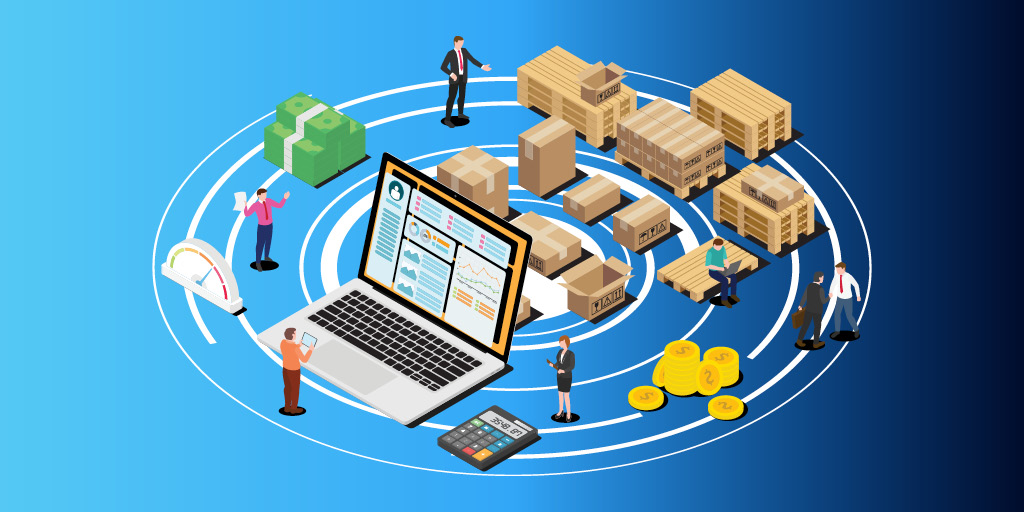
At its core, logistics integration connects all the moving parts behind an ecommerce store. This includes:
- Inventory management systems that update stock levels in real time
- Order processing platforms that communicate with shipping carriers
- Warehouse systems that track goods from storage to shipment
- Delivery networks that ensure products reach customers on time
For businesses with an ecommerce license, logistics integration ensures that legal compliance meets operational accuracy. It allows real-time visibility into product availability, efficient handling of orders, and faster delivery times—factors that directly enhance customer experience.
Why Logistics Integration Matters for Ecommerce Businesses
In the UAE, online shoppers expect prompt delivery, clear tracking information, and efficient customer service. Logistics integration supports these expectations in several ways:
- Faster fulfillment times: Integrated systems reduce manual work and speed up order processing, so customers receive goods sooner.
- Accurate inventory data: Businesses avoid overselling or stockouts because inventory updates automatically across all channels.
- Better tracking and communication: Customers can track their orders with real-time updates, which builds trust.
- Scalability: With integrated logistics, businesses can handle larger volumes of orders without compromising quality.
An ecommerce license legitimizes the operation, while logistics integration ensures that the business can fulfill orders reliably and efficiently.
Key Components of Logistics Integration
To make logistics work effectively with an ecommerce license, online sellers must pay attention to several key systems:
- Order Management System (OMS)
An OMS is the central hub where all orders are processed. It receives customer orders from your online store and routes them to the appropriate fulfillment channels. This system ensures orders are correctly logged, processed, and tracked. - Warehouse Management System (WMS)
A WMS keeps track of stock levels and warehouse activities. When integrated with your ecommerce platform, it updates inventory in real time. This prevents errors and ensures that stock levels shown on the website reflect what is actually available in storage. - Shipping and Delivery Partners Integration
Connecting your online store to reliable shipping partners allows you to automate label printing, shipment tracking, and delivery confirmation. This integration reduces errors and improves transparency for both the seller and the customer. - Customer Relationship Management (CRM)
A CRM system stores customer data and purchase history. When linked with logistics systems, it helps personalize communications, manage returns, and resolve delivery issues more quickly.
How Integration Enhances Customer Experience
Customers today expect a seamless online shopping experience. They want to browse products easily, pay securely, and receive their orders quickly—and they want updates along the way. Logistics integration delivers on these expectations by:
- Providing accurate delivery estimates
- Offering multiple delivery options, including express shipping
- Sending automated notifications about order status
- Simplifying returns and exchanges
When these features work together with an ecommerce license, they strengthen a brand’s credibility in the market and build customer loyalty.
Implementing Logistics Integration Successfully
To integrate logistics effectively with your ecommerce operations, follow these steps:
- Choose the right technology: Select platforms that support integration with popular ecommerce tools and shipping partners.
- Automate where possible: Reduce manual intervention to cut down on errors and delays.
- Train your team: Ensure staff understand how systems work together and how to troubleshoot issues.
- Monitor performance: Use analytics to track fulfillment times, delivery success rates, and customer satisfaction.
By aligning logistics systems with your online store, you create a network that is efficient, responsive, and future-proof.
Conclusion
Understanding how logistics integration works with an ecommerce license is essential for any online business aiming to succeed in the UAE market. By connecting your ecommerce platform with inventory systems, warehouse operations, delivery partners, and customer support tools, you create a seamless flow from order placement to delivery. This not only enhances operational performance but also elevates customer experience. For today’s online sellers, combining a proper ecommerce license with strong logistics integration is not a luxury—it is a business imperative that drives growth, builds trust, and sets the foundation for sustainable success.